
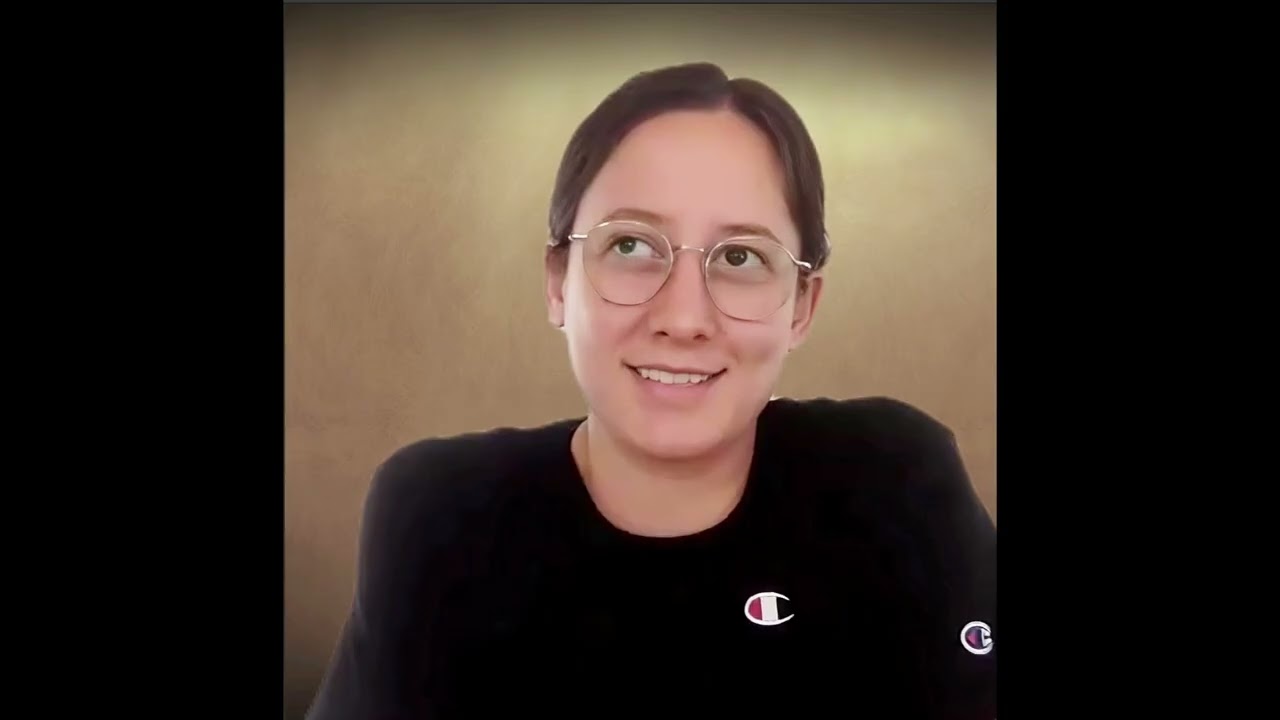
Dorothy andrusiak BIO
Date and Place of Birth: Chateauguay, PQ, Aug. 8, 1988
Father: Roman Andrusiak, born in Toronto. ON, Mar. 31, 1966
Mother: Valerie Inukpuk born in Inukpuk, Montreal. PQ, Mar. 31, 1977
At the age of 16 Ivan Andrusiak, Dorothy’s grandfather, originally from the Ivano Frankivsk Oblast, arrived in Canada in 1948 from Hamburg, Germany to Halifax, Nova Scotia. Then he took a train to Tillsonburg, Ontario to meet his cousin living in Vienna, Ontario to work on their tobacco farm. Ivan’s aunt immigrated to Canada before the war began. Eventually he came to Toronto for more opportunities. Being a displaced person, he saw no benefit going back to a communist country.
Evgenia Horniatko, Dorothy’s paternal grandmother, came by boat from Gdańsk Poland to Montreal where Ivan was waiting for her. They took Highway 2 back to Toronto and started their life together. Her sister put the two in touch 2 years before. They wrote letters to each other regularly until Evgenia could come to Canada.
INTERVIEW EXCERPT
Date and place of interview: July 15, 2025, Montreal
Length of interview: 1 hour 15 minutes
Interviewer: Ariadna Ochrymowych
Language: English
Interviewer: And when people ask you, if you're Ukrainian, or Ukrainian-Canadian what what do you say?
Dorothy: I would say Ukrainian Canadian, just because that's the order of involvement that I experienced, and I guess also the prominence but more and more in my adult life I feel like Inuit culture is a part of my own culture.
When I 1st started working for Air Inuit, I lived up north 2 out of 4 weeks, so most of the time and being Inuit myself, it was very grounding to live in a village up north and so I think I've I've reconnected to those roots of mine. But up until then I would have said Ukrainian - Canadian, and now they're sort of on par with each other. I think.
Interviewer: And do you speak Inuit?
Dorothy: Wish. No, I know a couple words enough to know what a conversation might be about.
Interviewer: What do you like about the Ukrainian Canadian community.
Dorothy: I like that. There's every type of activity., you can be involved in the Ukrainian Canadian community in some way, there’s something for everyone. There's a religious aspect. There's a camping aspect. And in the camping world there are so many options there's Plast*, there’s Sum**, in Montreal there's Camp Ukraina. There are a lot of different camp options, and some are extracurriculars.
And then there's history and education for those who want to go to Ukrainian school. There's Malanka*** for those who don't even speak Ukrainian, and just want to celebrate a Ukrainian New Year's. I think that it's it's very versatile in what it offers.
Interviewer: So is there anything you'd like to see? Different.
Dorothy: I think there is. I think that, I’ll try to put it as best as I can into words. I think that I would like to see a broadening of our definition of what it is to be Ukrainian, because for example, my experience and my Ukrainian, or my kind of Ukrainian that I speak is the Ukrainian that was brought over by my Baba and Dido, and preserved and passed on and protect and I cherish that Ukrainian language that we have very, very much. And Ukrainians keep coming from Ukraine to Canada, and especially when I was younger. Things have changed a little bit. But there was sort of this looking down on Ukrainian Canadians version of Ukrainian because it was so “silske” **** and had these kind of negative connotation to them, which I think is ridiculous, because, if anything, I think it deserves a pat on the back for having been so well preserved, and that is what our our grandparents came over here with: there was nothing else to go off of, andI think I kind of grew up with this chip on my shoulder so, as an example, saying aeroport instead of “letovyshche”, for me it was like, Well, why wouldn't we use a word that we already have. Why are we using Anglicisms? And I think people in both groups need a bit more empathy towards each other.
I think all of those are Ukrainian, and I don't think we need to be drawing lines in the sand about which one is more Ukrainian. So that's what I would like to see change.
* Ukrainian Scouting Organization
** Ukrainian Youth Organization
*** Ukrainian folk holiday
**** Rural